The Vagus System
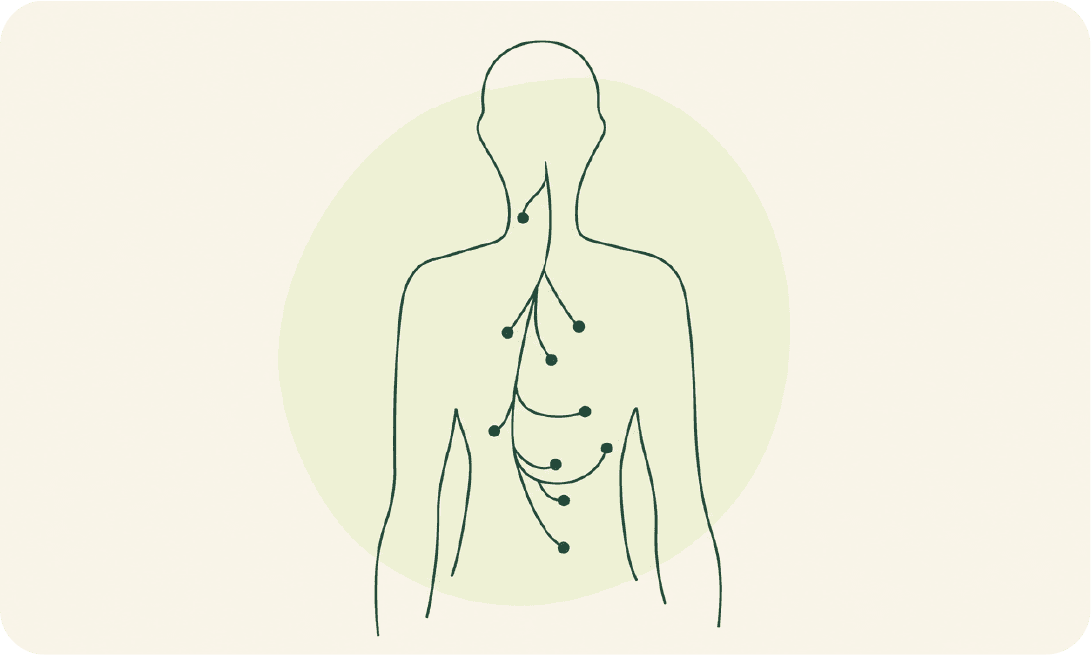
The Vagus System, a phrase you may have seen making its rounds on the internet, gathering traction via posts from fitness influencers, but what does it mean and how can it be applied in dance? In this month’s blog, we unpack the what, where, and why of the vagus system and explore the role of the vagal nerve in enhancing dance performance and boosting recovery.
What is the Vagus System?
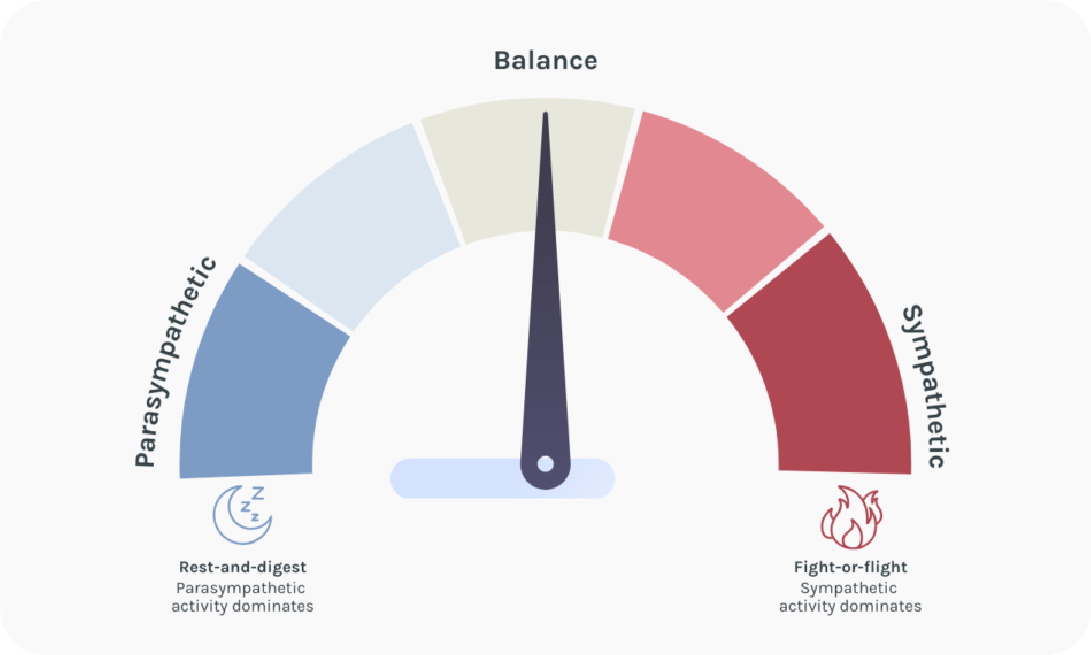
Comprising the vagal nerve, brainstem nuclei and neuro-endocrine-immune network, the vagus system refers to one division/function of the autonomic nervous system, the parasympathetic nervous system, often referred to as the rest and digest function. You will probably have heard of fight or flight, a response produced by the sympathetic nervous system that sends the body into a state of stress. The vagus system acts to counteract this response, regulating heart rate, controlling digestion and managing inflammation to return the body to a state of homeostasis (balance). As previously alluded to, both the parasympathetic and sympathetic nervous systems function within the autonomic nervous system meaning all responses, processes and reactions are involuntary.
The vagal nerve is a crucial component of the vagus system, carrying signals between the brain, heart and digestive system in response to different stimuli. Derived from the Latin for wandering, the vagal nerve is the 10th (X) cranial nerve and plays an important role in controlling several functions including: digestion, heart rate, mood, mucus production, muscle sensations, urine and taste. Maintaining the delicate balance of these two divisions of the autonomic nervous system is crucial to both ensuring a healthy internal environment and optimising human, and thereby athletic, performance.
Understanding the Vagal Nerve
The interplay between psychological processes and physiological functions has long been of interest to scientists and athletes alike. Studies pertaining to the connection between the two facets date back to the 17th century BC where references to the effect of head trauma on bodily processes can be seen in the Edwin Smith Surgical Papyrus. In recent years, similar studies have been concerned with understanding how one’s internal state can influence physical performance for athletic gains. To understand the results of these studies, we should first familiarise ourselves with two important theories: Polyvagal theory and the Yerkes-Dodson Law.
Polyvagal theory identifies two branches of the vagal nerve: the evolutionarily older dorsal vagal pathway that mediates shutdown responses, and a newer ventral branch responsible for increasing social engagement and speeding up heart rate. In his theory, Porges establishes the concept of a vagal brake, a function of the vagal nerve that acts to inhibit the heart's natural pacemaker. Working as a switch, the brake releases to increase one’s heart rate and alertness, and closes to slow the heart rate and calm the body.
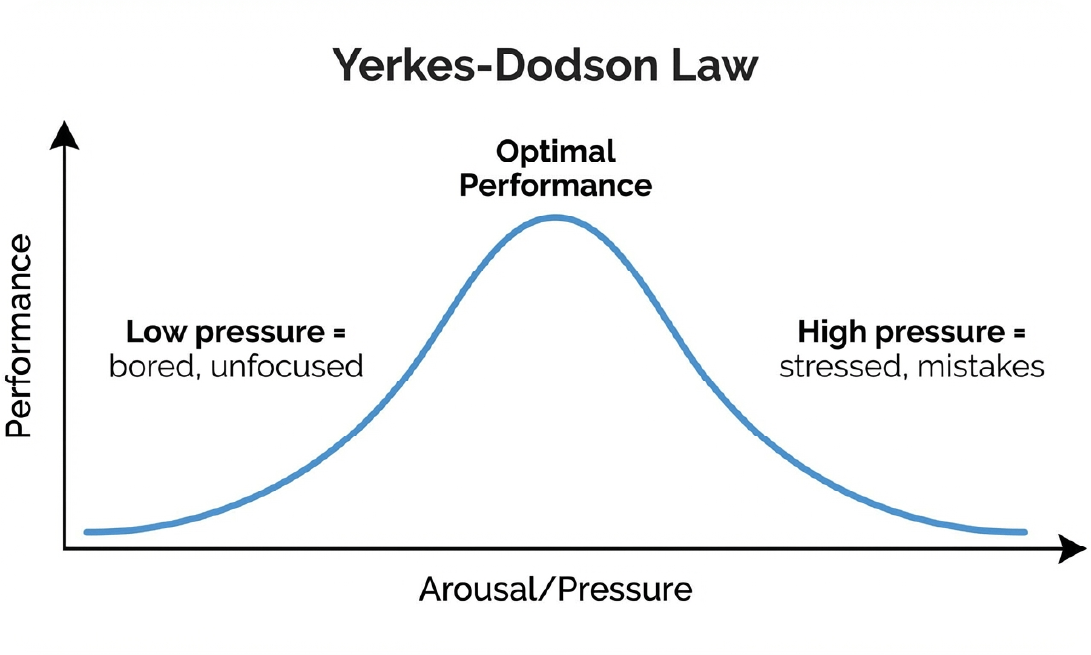
This brake is particularly useful for athletes who can use it to create what the Yerkes-Dodson Law identifies as an optimal performance zone. According to the law, first introduced in 1908, mental arousal (stress) can increase physical performance but only up to a certain threshold. This is why, as illustrated by a U-shaped curve, a mechanism that prevents over-arousal and inhibits under-arousal (such as the vagal brake) is fundamental to optimising athletic performance.
Vagal Nerve Stimulation

Acting on the theories discussed in the above paragraphs, scientists have sought means of stimulating the vagal nerve to enhance parasympathetic nervous system activity. Some of these are as common as deep breathing, a method that has been shown to slow the heart rate and calm the body. Other non-invasive methods include: singing, humming and transcutaneous vagus nerve stimulation (tVNS). The latter refers to the use of a small device to send mild electrical currents to branches of the vagus nerve in the ear (taVNS) or neck (tcVNS).
One study assessing the benefits of tVNS found that after just one week of administering the treatment, VO2 max had increased by as much as 3.8%, highlighting the role of TVNS in improving cardiorespiratory fitness. Similar studies into the effect of vagal nerve stimulation in enhancing both physiological and psychological responses have found that elevations in vagal activity, achieved through methods such as slowing the pace of breath or taVNS, can increase heart-rate recovery, improve executive function under stress, and enhance cognitive resilience.
Improving Vagal Nerve Function with PBT
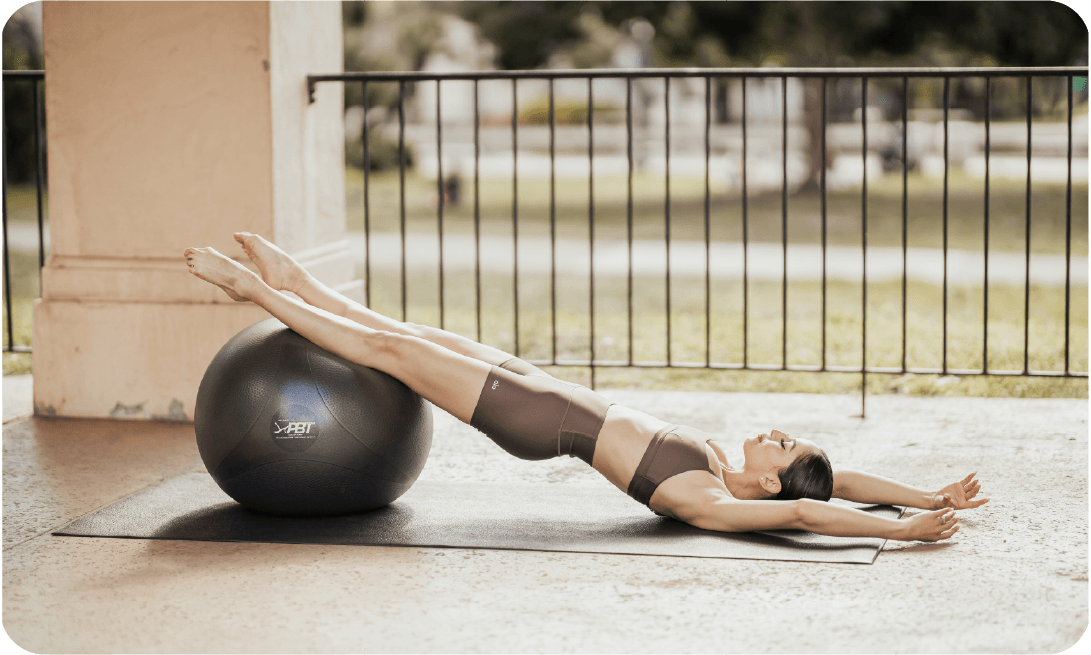
PBT classes harness elements of vagal nerve stimulation to enhance dance training and improve dance performance. During every exercise and movement sequence, dancers are encouraged to bring awareness to their breathing, coordinating their movement with their breath to enhance muscle activation. Breath-work also plays a major role in recovery exercises, helping dancers release tension while slowing the heart rate. This promotion of parasympathetic activity teaches dancers to better engage their vagal brake, giving them the tools they need to create an optimal internal environment for performance.
For dancers looking to better regulate their nervous system, improve cardiorespiratory fitness or optimise their recovery, PBT classes offer an effective solution.
By Elise Smith