What is Progressing
Ballet Technique?
A globally trusted conditioning method used by 10,000+ teachers in 60+ countries. Built on neuromuscular science, developed over decades, and proven in studios worldwide.
Conditioning that changes how dancers move
Progressing Ballet Technique is a body-conditioning and strengthening program designed specifically for dancers. It was built to develop the strength, muscle memory, and body awareness that transforms how they move, feel, and perform.
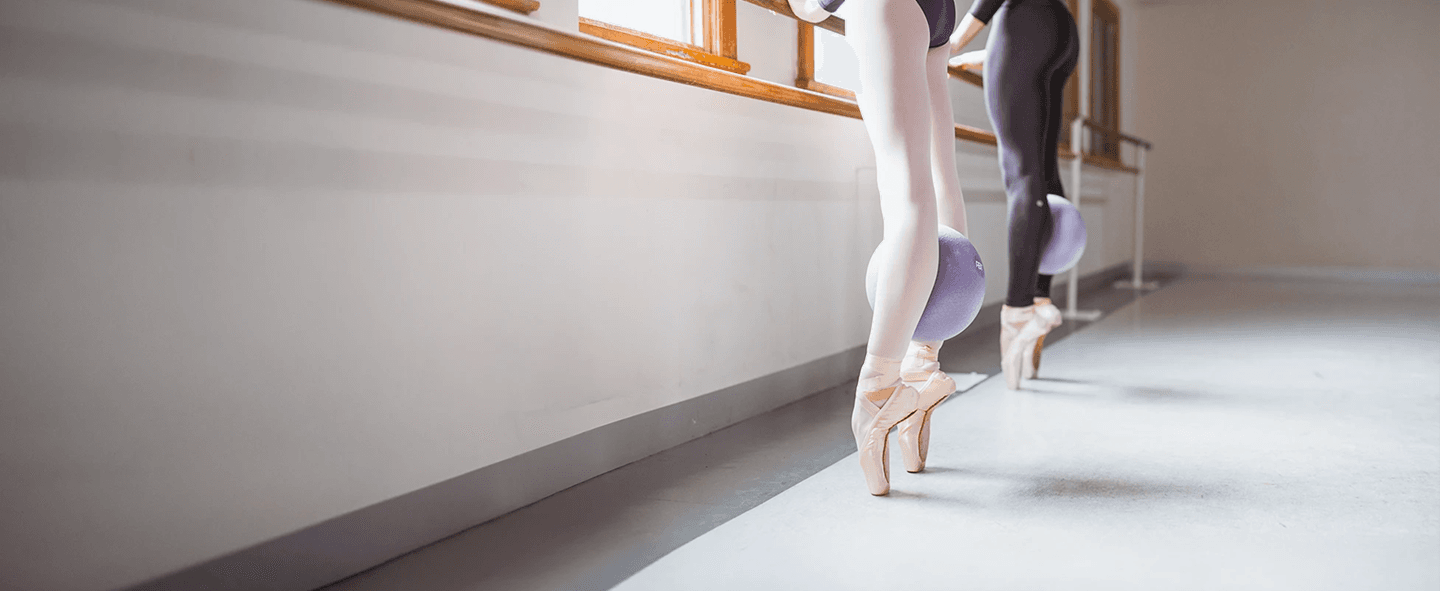
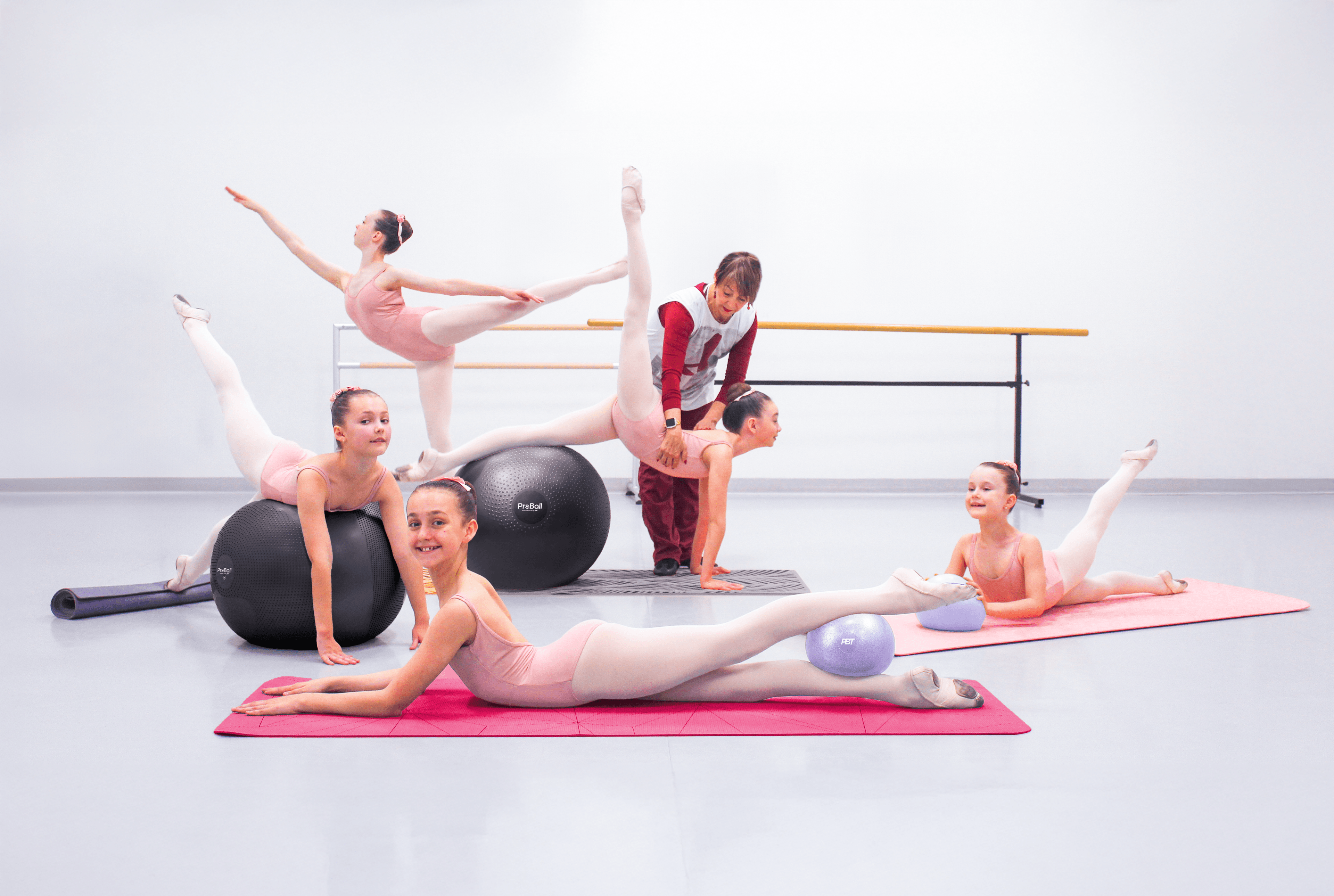
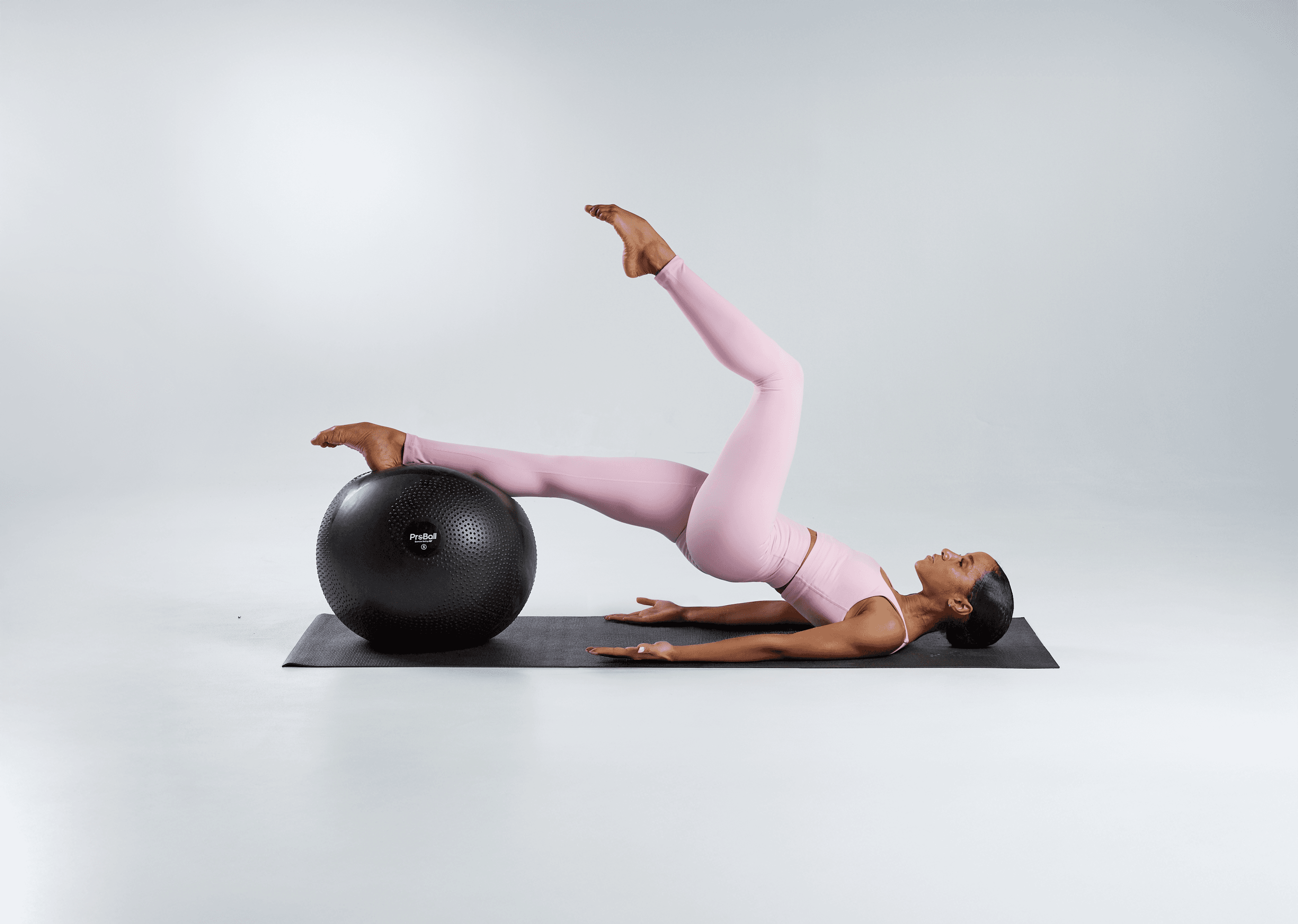
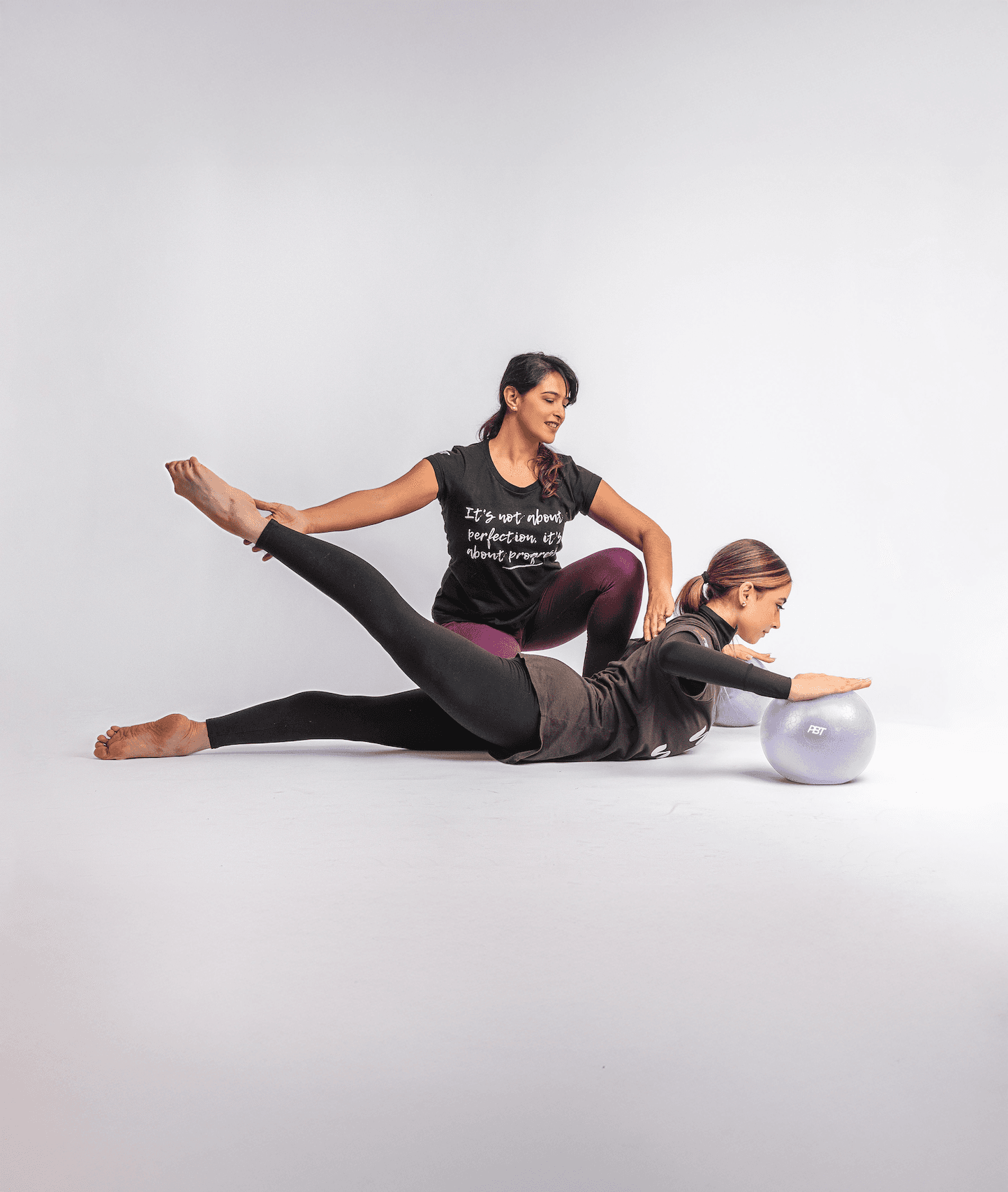
PBT works from the inside out: through a graded series of exercises using equipment such as exercise balls and resistance bands, dancers develop precise alignment, coordination, and control, supported by music and guided by an understanding of both technical and artistic development.
Informed by anatomy, motor learning, and movement science, PBT is trusted by teachers, professional dancers, and sports physiotherapists worldwide as effective for injury prevention and rehabilitation as it is for technical growth.
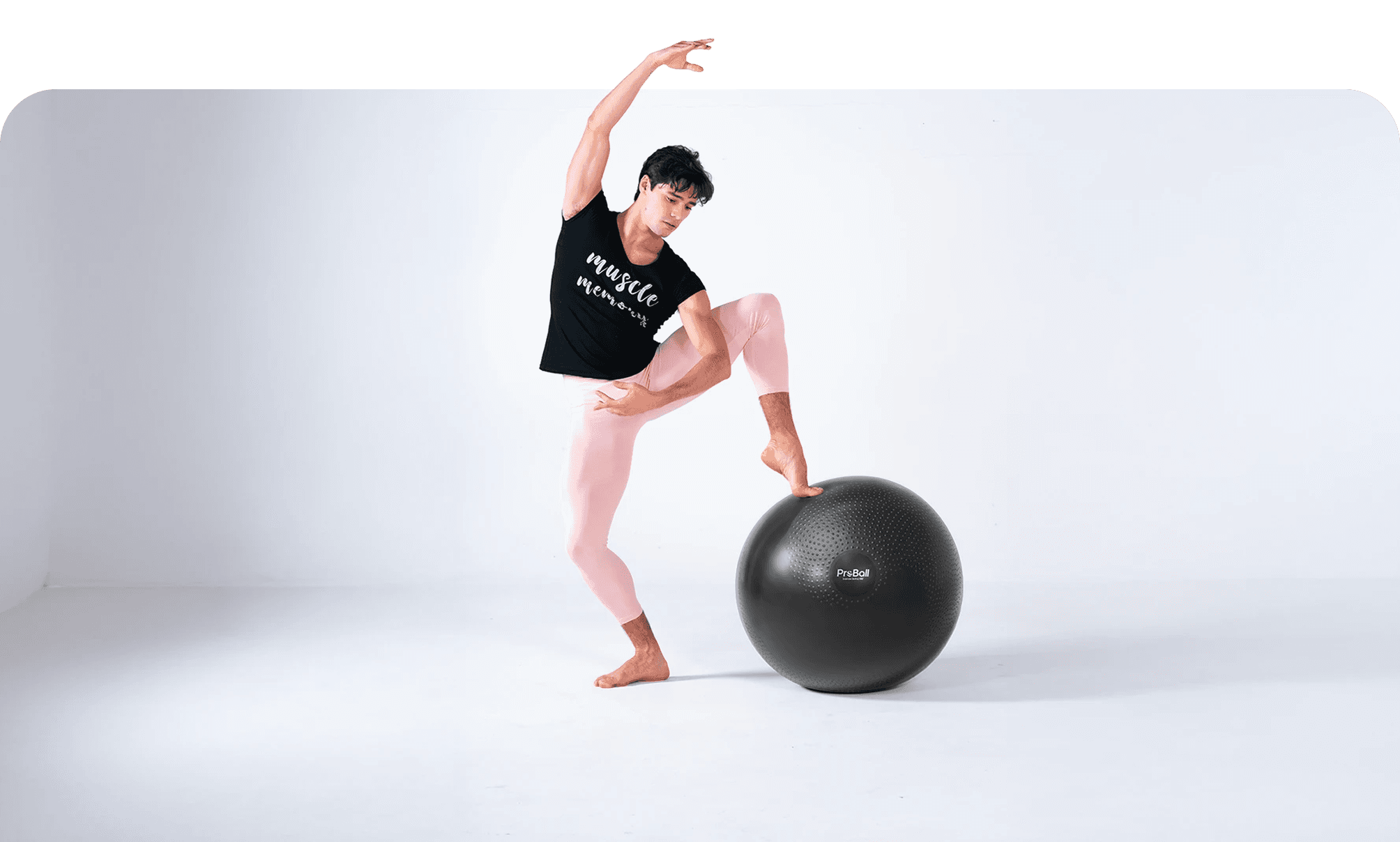
PBT aids in strengthening foundational aspects and I find it incredibly beneficial for students just starting ballet or professionals like myself. PBT has been transformative, whether it is helping to improve a jump, find your leg or cross your fifths. The results are incredible!
Jovani Furlan
Principal Dancer | New York City Ballet
Certified Teachers Worldwide
Countries Using PBT
Dance Schools Integrated
Of Development & Refinement
Meet the method, meet the founder
Marie Walton-Mahon OAM and PBT tutor Jenna Roberts walk you through the method, the science behind it, and why it works.
Why it works, and how we know
Behind the method sits years of real-world results, documented research, and a scientific framework grounded in how the body actually learns to move.
Grounded in neuromuscular repatterning
PBT is grounded in neuromuscular repatterning, a well-documented field in sports science and physiotherapy. By using equipment as a proprioceptive tool, the body receives instant sensory feedback on alignment — faster and more lasting than verbal correction alone.
When a dancer's weight shifts off-centre, the ball moves. The brain receives immediate data and self-corrects. This is proprioceptive mapping: the body learning to feel the correct alignment rather than imitating the shape.
It is not just a workout; it is an education in understanding and respecting your body.
Joseph Caley, Principal Dancer, The Australian Ballet
Observed in practice, confirmed by research
PBT has been practised in studios worldwide for over three decades. In that time, its impact has been observed across thousands of teachers and students globally, and examined in academic research.
A 2019 case study by Dr. Jenna M. Alsteen at Edgewood College found that PBT certification meaningfully changed how teachers taught, sharpened their precision in targeting specific muscle groups, and led to measurable technique improvements in their students.
These findings reflect what the broader PBT community has been experiencing for years.
30 years. 60 countries. Thousands of students.
Integrated into studios, schools, and curricula across 60+ countries, PBT is used by everyone from beginner students to principal dancers at the world's leading companies. Over three decades, teachers have reported the same outcomes: stronger students, better technique, fewer injuries, and dancers who truly understand their bodies.
It was true of Daniel Roberge, one of the earliest students Marie tested the method with, who went from zero ballet experience to a silver medal at the Genee International Competition and a place at Washington Ballet. And it has been true of thousands of students ever since.
Reading: The Concept of Neuromuscular Repatterning in Dancers: A Systematic Review (ResearchGate, 2024).
Reading: An experimental study using the PBT Program
Marie Walton-Mahon OAM
Marie Walton-Mahon OAM is a former professional ballet dancer, choreographer, and educator with over five decades dedicated to dance education. The OAM, Medal of the Order of Australia, was awarded to Marie in 2021 for her service to dance as a teacher, one of Australia's highest civilian honours.
Her curiosity about how dancers truly prepare their bodies began in the early 1970s, watching the legendary Maya Plisetskaya do floor barre exercises before class with Les Ballet de Marseille. That moment never left her. Back in Australia, she spent years studying anatomy, collaborating with physiotherapists, and developing a system of exercises that would give dancers the physical foundation their training alone could never fully build.
What started in a single studio in Newcastle is now taught across six continents. Marie continues to lead, mentor, and evolve the program she has spent a lifetime bringing to life.
PBT is for every dancer, at every stage
Whether you are training your own body or developing your students, there is a clear path into PBT.
What the dance world says

Leanne Benjamin AM OBE
Artistic Director, Queensland Ballet Former Principal · The Royal Ballet, London
“PBT proves invaluable for dancers, athletes and physiotherapists, enabling them to maximise their performance and excel in their respective fields. I hold PBT in the highest regard to strengthen, motivate, and support students.”
Li Cunxin AO
Author, Mao's Last Dancer Former Artistic Director · Queensland Ballet & Australian Ballet
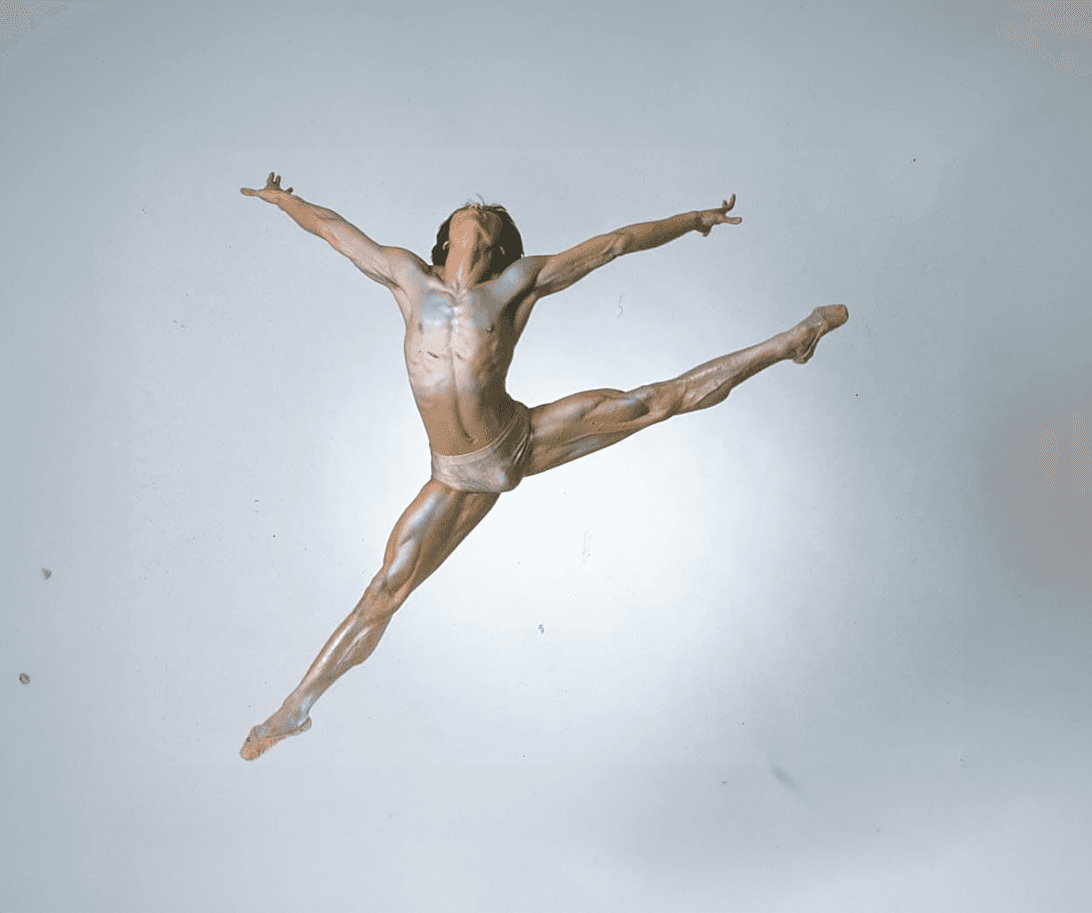
“The effective PBT exercises will help students to strengthen their core, stability, muscle control, balance and overall, help their dance technique.”
Jessica Fyfe
Principal Dancer · Scottish Ballet PBT practitioner since age 13
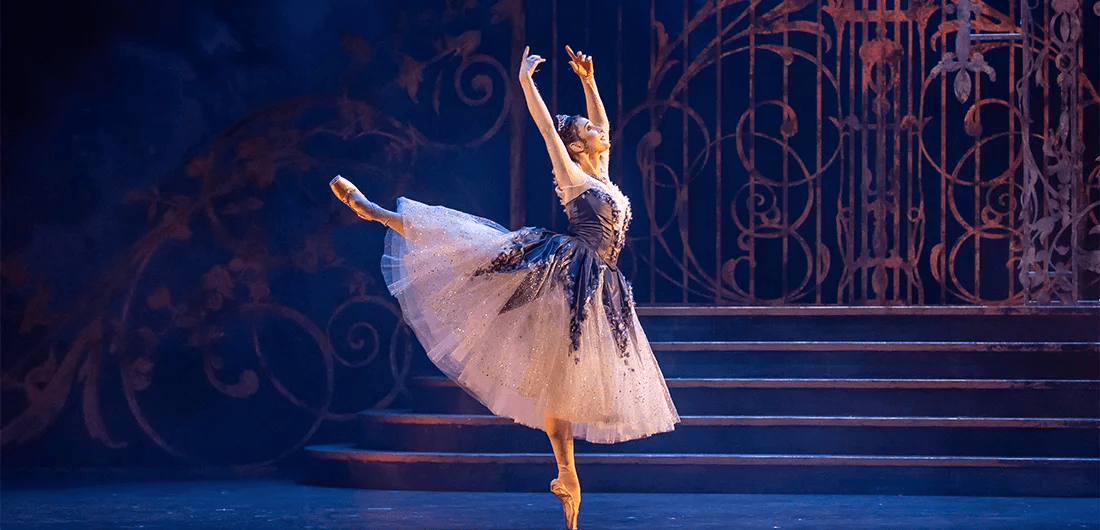
“Beginning my training in PBT at the age of 13 prepared my body for the career I have today. PBT has given me a core strength like no other and has helped support me through injuries, lockdowns and throughout all the different stages of my career.”
Have questions?
PBT is designed to be beneficial for everyone, regardless of any individual's age or skill level. The program is divided into categories based on ages.
Sub Junior Program (6 - 8 year olds): This program is tailored for dancers introducing them to the elements of PBT. It focuses on nurturing their development and providing an understanding of basic ballet technique.
Junior Program (9 - 11 year olds): Aimed at children this segment builds upon the fundamentals taught in the Sub Junior Program. It focuses on the development of strength and flexibility.
Senior Program (12 - 14 year olds): Designed for teenagers this level concentrates on techniques and incorporates strength building exercises that support the increasing demands of ballet training during this age.
Advanced Program (15 - Pre Professional): This program is geared towards serious ballet students as well as professional dancers who want to enhance their performance skills, stamina and technical precision.
Adult Program: (Beginner onwards); Specifically crafted for adult learners this program caters to both beginners and those with ballet experience. It focuses on body conditioning and improving technique.
These age recommendations are for students who are regularly attending ballet class. For recreational students (those attending a ballet class once a week or less) it is recommended for the students to start one level down and move up to the next level once they feel confident and secure with the exercises.
The quality of training takes precedence over simply progressing through levels. We encourage repeating classes and exercises, emphasising confidence over speed of advancement.
There are many benefits of practicing PBT, for dancers as well as any individual looking for a body conditioning program. Some of the benefits of PBT include:
Enhancing Strength & Stamina: PBT helps in the development of strength and endurance through meticulously targeting and working the muscles needed for ballet and other dance forms.
Increasing flexibility: Regular PBT practice can dramatically improve individuals flexibility through exercises that focus on stretching and lengthening of the muscles. PBT's ballet-inspired movements target the body's full range of motion with emphasis on gradual and controlled stretching.
Improved Posture and Alignment: PBT places a strong emphasis on cultivating proper posture, alignment, harmonious balance and coordination throughout their body. Participating in PBT, individuals will learn to maintain elegance and balance, contributing to a healthier spine as well as body alignment.
Elevated Body Awareness and Control: PBT deepens the understanding of an individual understanding of how their body moves and how the difficult muscles function together during movements. This increased body awareness helps dancers with greater control over their movements, helping to enhance their performance.
Injury Prevention and Recovery: PBT's balanced & targeted approach with non-weight bearing exercises not only helps prevent dance related injuries but also supports the rehabilitation process for those recovering from injuries, emphasizing technique and alignment for healthier movement patterns.
Boosted Coordination: PBT is designed to challenge and improve balance & coordination which is not only crucial in dance but all physical activities.
Improved Muscle Tone and Conditioning: PBT contributes to improved muscle tone and conditioning through targeted exercises that engage the deep core muscles along with stabilizing muscles of the back, hips and shoulders. By emphasising on slow, controlled movements that require precision and endurance, PBT effectively enhances muscle tone and leads to a stronger, more resilient body.
PBT is incredibly beneficial for those recovering from injuries and especially for injury prevention for dancers. The program does this through:
Strengthening supporting muscles: PBT exercises not only target the muscle groups used in dance but also focus on strengthening the muscles around the joints and core. By building up these supporting muscles, they provide support and stability during dance movements, reducing the risk of injuries.
Improving technique: PBT emphasises alignment and technique, helping dancers avoid mistakes that can lead to injuries, such as incorrect posture or imbalanced muscle usage.
Safely enhancing flexibility: PBT utilises specific ballet-inspired movements and positions that target the body's full range of motion, emphasising gradual, controlled stretches and strengthening exercises. Flexibility is crucial in dance but needs to be developed gradually to avoid overstretching or strain.
Promoting Body Awareness: Understanding one's body and its limitations plays a significant role in injury prevention. PBT deepens the understanding of an individual understanding of how their body moves and how the difficult muscles function together during movements. This increased body awareness helps dancers with greater control over their movements and helps students recognise when they are putting themselves at risk of injury.
Gentle on the body: PBT exercises offer a controlled approach with non-weigh bearing exercises, making it perfect for injury rehabilitation, especially for dancers.
PBT is designed to be introduced to anyone at any age or skill level but the earliest we recommend it should be adopted is at the age of 6 with the Sub Junior program. This level focuses on nurturing students development and providing an understanding of basic ballet technique.
Managing multiple ages and levels in a single PBT class, like combining Junior and Senior students, is quite feasible and not a problem with effective planning. Simply split the class into two groups. Start with exercises common to both levels, like "turnout," and use the same music to maintain a cohesive class flow. Though this requires a bit of extra class planning, each exercise is designed to progress and relate across levels, making it entirely possible to cater to different ages and skills in one session efficiently.
PBT offers an approach that complements ballet training, providing dancers with valuable tools. PBT is designed to be used alongside traditional ballet classes, acting as a helpful supplement to enhance and support the techniques learned in ballet.
PBT is designed to refine your technique holistically which in turn improves your performance. PBT works your muscle memory, refines your technique, and fostering an understanding of body mechanics. This results in controlled movements that contribute to an overall elevation of artistic quality in dance. Here are some of the aspects of how PBT helps improve performance:
Improved Muscle Memory: PBT exercises are specifically designed to ingrain movements into your muscle memory. This results in a fluid execution of ballet techniques, allowing you to perform complex sequences with greater ease and confidence.
Enhanced Technique: Through its targeted exercises, PBT helps refine your ballet technique by working on core strength, balance, alignment, and flexibility – all elements of ballet. This improvement leads to lines, better balance, and graceful movements.
Heightened Control and Precision: Through heightened body awareness fostered by PBT training, you gain control over your movements. This control is crucial for executing precise and nuanced choreography while minimising the likelihood of mistakes during performances.
Injury Prevention: Strengthening the muscles used in ballet and enhancing flexibility are components of PBT that contribute to injury prevention. By reducing the risk of injuries, you can perform consistently at any level.
Enhanced Artistic Expression: PBT not only enhances your skills but also allows for a deeper expression of artistry in your ballet performances. By managing the aspects, you can dedicate more attention to conveying emotions and telling stories through your dance.
Improved Stamina and Endurance: Engaging in PBT conditioning helps build stamina and endurance, crutical for any performance.
PBT is indeed suitable and recommended for individuals who engage in dance on a recreational basis. The program helps boost flexibility, strength, and overall body awareness, but above all, help reduce the risk of injuries. Regardless of whether someone takes dance seriously or pursues it more for fun and fitness, nobody wants to be injured, especially when it can lead to long-term harm to the body.
Yes, we do have an ambassador program and always thrilled to welcome new members to our team. If you're interested please reach out to us via email at customerservice@pbt.dance.
Please share some information about yourself and the team will connect you with the appropriate person for your region.
Fantastic! Regardless of your age or skill level, PBT is going to be fantastic for you. The first place to start would be to choose the level that is appropriate for you. Each level has an age recommendation connected to it; however, if you are dancing more for recreational purposes, then we advise starting a level down and building up once you feel confident and secure with the exercises.
We recommend using our online training platform, and within your level, navigate to the classes section where you will be able to follow along with a teacher through the exercises, which will slowly build in difficulty from class to class. We recommend you do each class 2 or 3 times before progressing to the next. If there are any particular areas you would like to focus on, for example, your Port De Bras, you can navigate to the appropriate category within each level of the website to find tutorials that are focused within the category level.
We have a directory of Certified PBT Teachers that you can use to find one in your area. Please navigate to the teachers' directory in the menu of our website, where you will then be able to filter by location, find any schools the teacher is currently teaching at, as well as email a teacher directly.
The best way to contact us is via email at customerservice@pbt.dance. Alternatively, please get in touch through a direct message via our social media platforms.
PBT is not limited to just ballet dancers; it also offers benefits for individuals seeking a program for general body conditioning.
Comprehensive Body Workout: PBT exercises target muscle groups promoting strength, flexibility and balance. This makes PBT a great workout routine, for people who don't dance but want a rounded fitness approach.
Preventing Injuries and Supporting Recovery: PBT is created to strengthen the core, improve balance, and develop muscle control as well as endurance. This unique approach not only aids in the proper execution of movements which reduce the risk of injury but facilitates the rehabilitation process.
For those recovering from injuries, PBT's low-impact exercises can be particularly beneficial, allowing for the gradual rebuilding of strength and flexibility in a controlled and safe manner.
Improved Posture and Body Awareness: Regular PBT training improves posture and body awareness, which benefits not only dancers but anyone looking to enhance their overall physical condition and body alignment.
Start your PBT journey
Whether you are a dancer building strength or a teacher ready to certify, your path starts here.